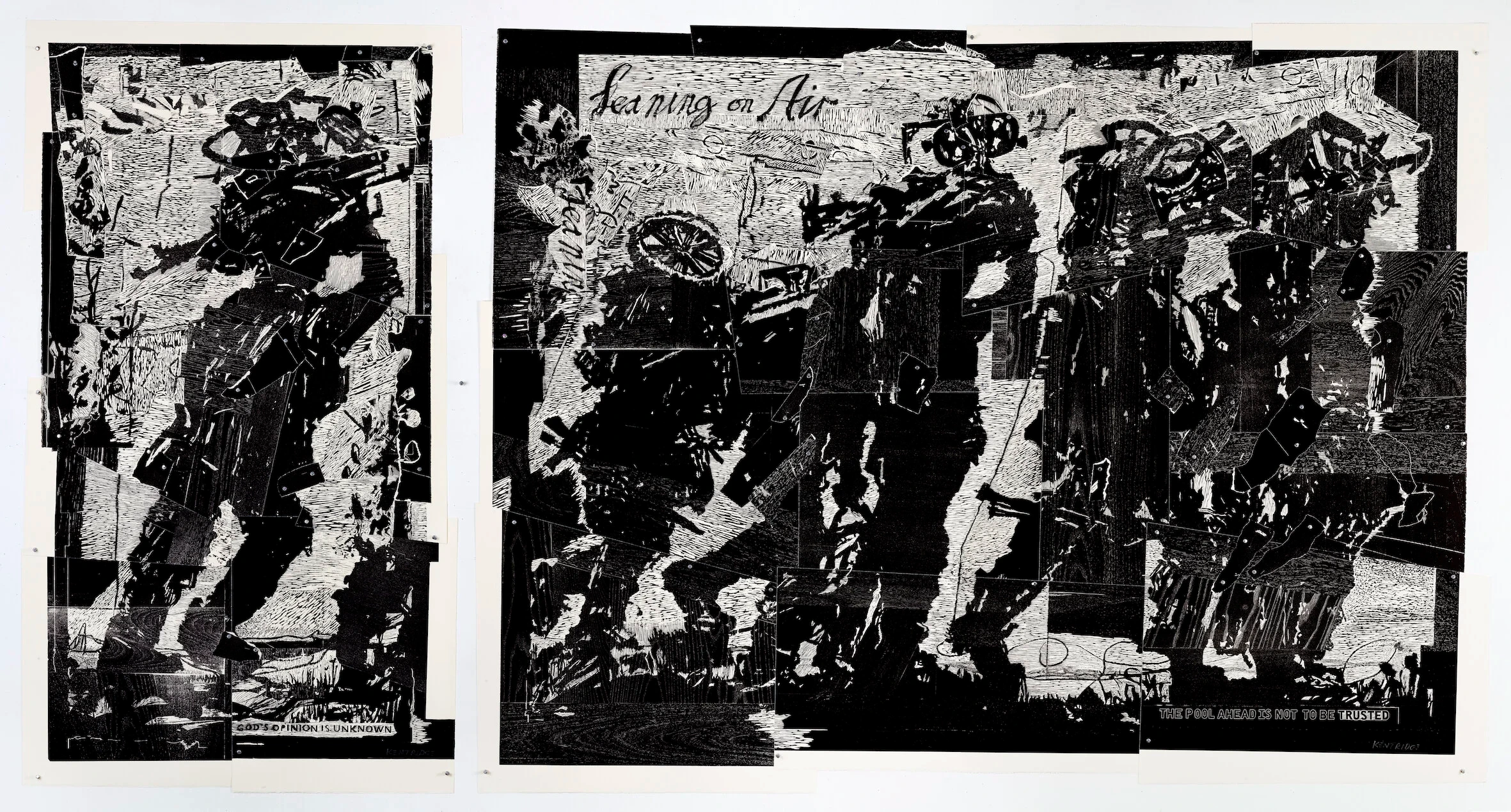
William Kentridge: The Colander
Ended
PeriodContemporary
StyleNew MediaPaintingPrintmakingSculpturePhotography
RegionInternationalLocal (Metro Vancouver)
About the exhibition
The motif of the colander has often appeared in William Kentridge’s work, eliciting how and when formative state and institutional structures give way, beginning with his examination of post-apartheid South Africa and extending to authoritarian ideologies, regimes and failed states in other parts of the world. Migration, the vulnerability and provisionality of memory and historical account, the absurd and the capricious nature of power and perception in the architecture of socio-political life, are concepts that run throughout Kentridge’s expressive work. Formally, fragmentation and assemblage…
Artist
Getting there
Griffin Art Projects · 1174 Welch Street, North Vancouver, BC V7P 1B2Open in Maps →
On view now
Monte Clark Gallery
Other Days
Gallery Gachet
Settle Down, Not There
Bau-Xi Gallery Vancouver
Anne Griffiths
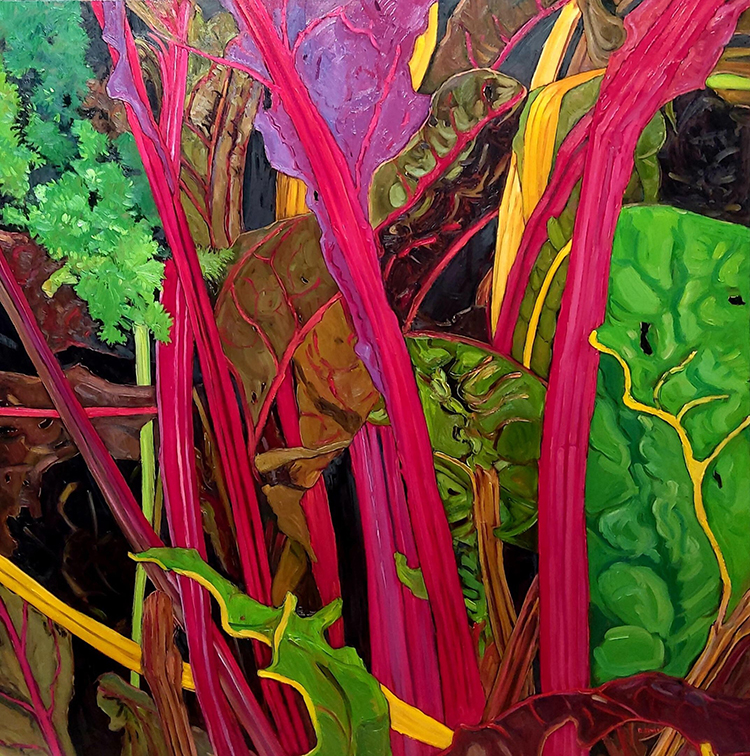
VISUALSPACE GALLERY
CHARD by Ray Ophoff
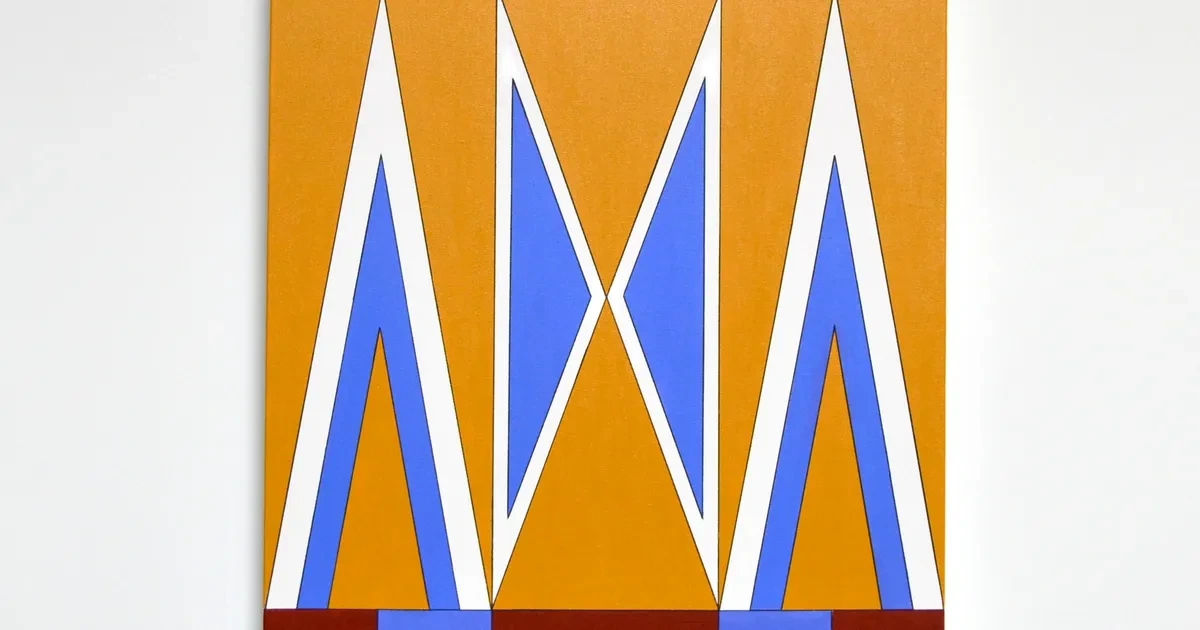
Fazakas Gallery
Matthew Provost Naatsikapamatoosin (Two Smudge): Re-counting Coup
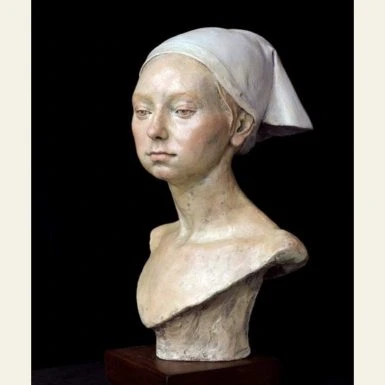
Pendulum Gallery
Beyond Form

Polygon Gallery
Austin Harry: Seagull, Raven, and The First Light
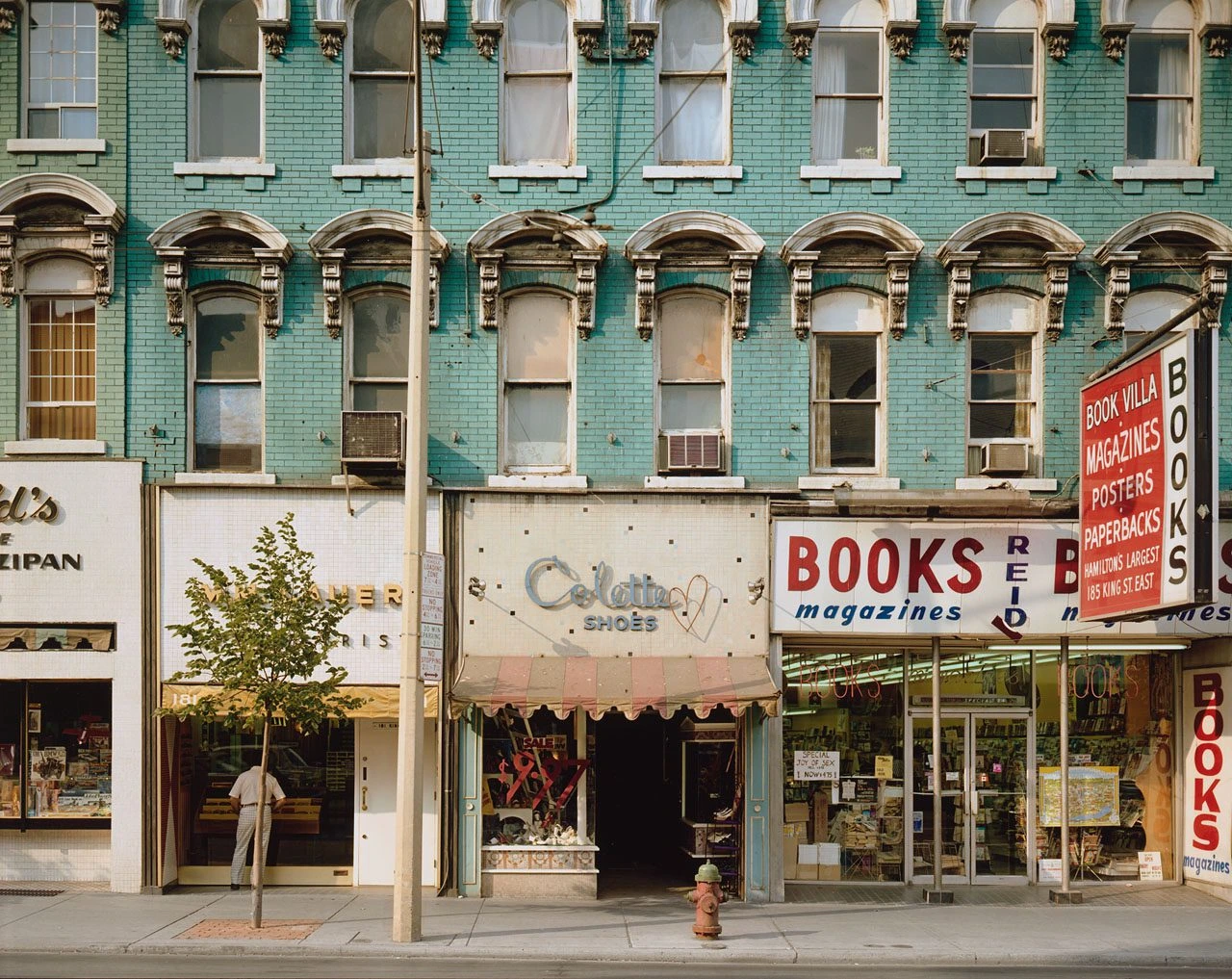
Vancouver Art Gallery
Stephen Shore: Uncommon Places

CityScape Community ArtSpace
Items

CityScape Community ArtSpace
Into the Garden

Surrey Art Gallery
Mustaali Raj: Across the Fire
Surrey Art Gallery
ARTS 2026
Comments
No ratings here — art is personal. Share what you felt, what stayed with you, or who should see it.
Log in to share your thoughts.